DAP



Pakistan's Diabetes Crisis
33 Million Pakistanis Have Diabetes. 11 Million Don't Know It.
Pakistan faces one of the world's most severe diabetes emergencies. With 33 million adults (26.7%–30% of the population) living with diabetes, our country now ranks 3rd globally in total diabetes cases—and the numbers are climbing.
By 2045, an estimated 62 million Pakistanis will have diabetes. Even more concerning: 8.9 to 11 million adults remain undiagnosed, unaware that high blood sugar is silently damaging their hearts, kidneys, eyes, and nerves.
An additional 11 million Pakistanis have prediabetes (impaired glucose tolerance), placing them at immediate risk of developing type 2 diabetes without early intervention.
The Numbers Tell the Story
Pakistan's Diabetes Epidemic by the Numbers
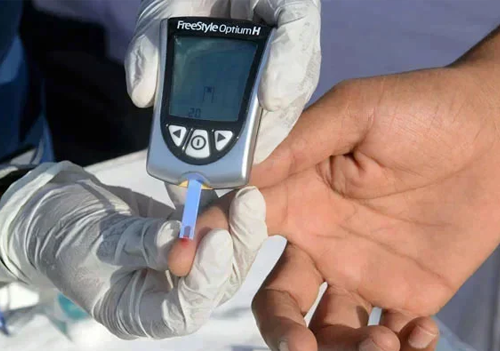
11 million Pakistanis have diabetes but don't know it. Without screening, complications develop silently.

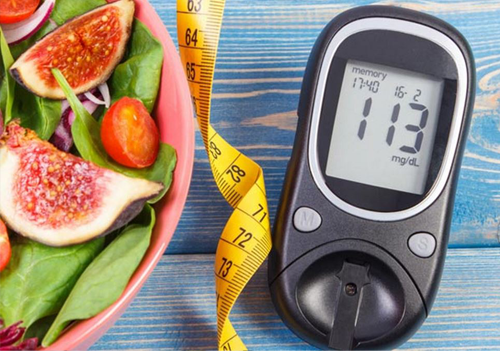
Another 11 million have prediabetes. Early screening can reverse this before it becomes diabetes.







The Hidden Damage
What Happens When Diabetes Goes Undetected
Heart Stroke
Diabetes doubles the risk of heart attack and stroke. Most undiagnosed patients already have cardiovascular damage.
Blindness
Diabetic retinopathy is a leading cause of blindness. Early detection can prevent vision loss.
Kidney Failure
Diabetes is the #1 cause of kidney failure. Dialysis could have been prevented with early screening.
Amputations
Over 21-48% of diabetic foot cases lead to amputation—most could be prevented with early detection.
Nerve Damage
Peripheral neuropathy causes pain, numbness, and increases fall risk. Irreversible if caught late.
Premature Death
3% of all deaths in Pakistan are directly attributed to diabetes—mostly preventable.
Who Is at Risk?
Diabetes Doesn't Discriminate — But Some Are at Higher Risk
Gender Distribution
Males: 11.2%–13.3% | Females: 9.19%–11.60% — Both genders significantly affected
Urban vs Rural
Urban: 14.81% | Rural: 10.34% — City dwellers at significantly higher risk
Age Group
Peak prevalence: 51–60 years. Screening recommended from age 30+
Weight & Genetics
Strong link to obesity, but Pakistanis develop diabetes even at normal weight
Screen One Person. Save a Life. Protect a Family.
For just Rs. 500, you can give someone the gift of early detection. For those who cannot afford it, your Zakat provides free screening. Together, we can find the 11 million undiagnosed Pakistanis before complications begin.
100% Zakat eligible • Funds go directly to screening programs
